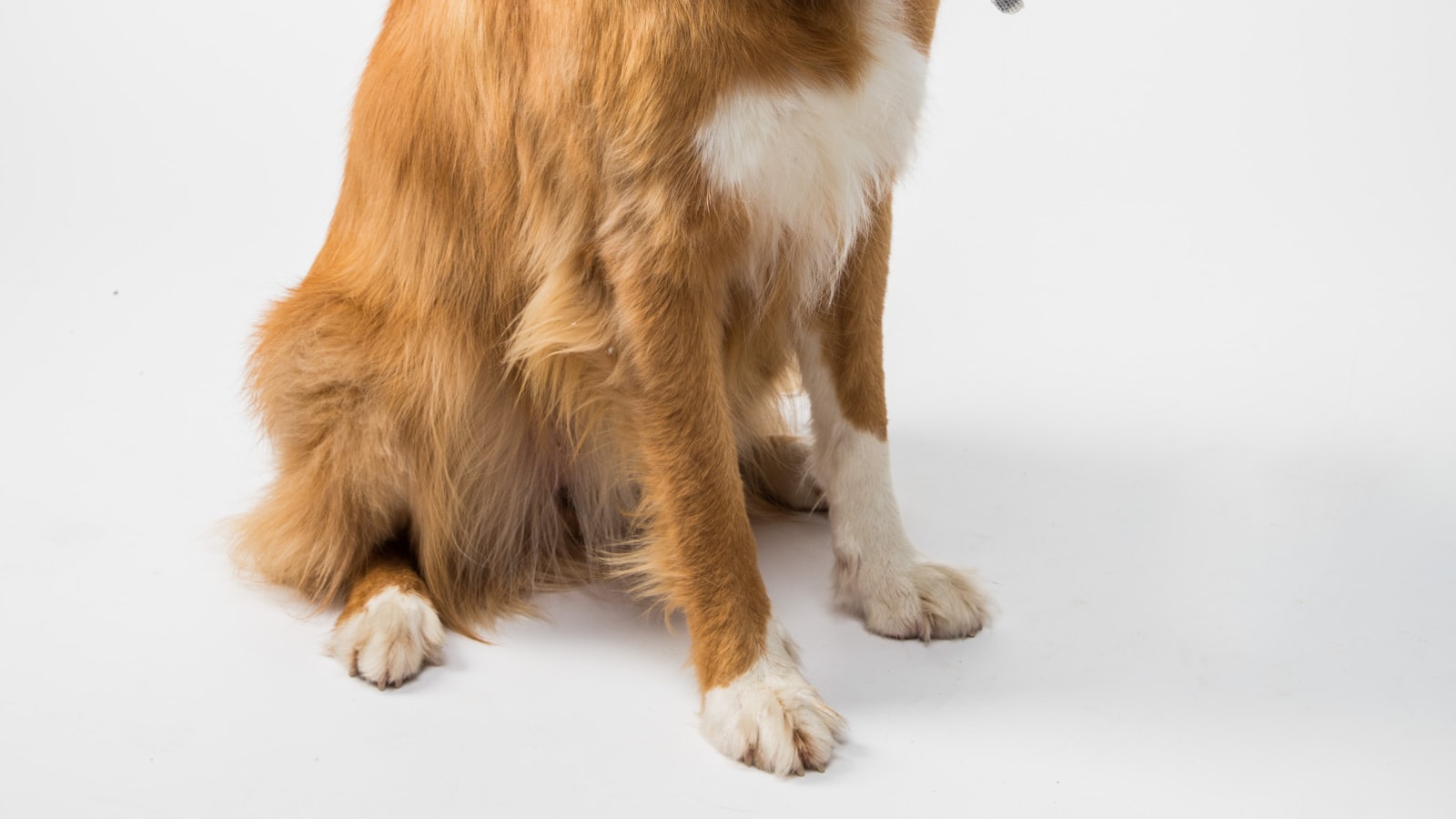
Grooming at home is about far more than keeping your pet looking tidy. Running your hands over them regularly is how you notice a new lump, a sore spot, or a patch of matted fur before it turns into a real problem, and for many animals the attention itself is a quiet kind of bonding. It's care and connection folded into the same few minutes.
You don't need a salon's worth of equipment or a professional's training to handle the basics well. With a little patience and the right tools, most owners can manage brushing, nails, baths, and ear checks between visits to a groomer or vet. The trick is to keep every session short, gentle, and calm enough that your pet never learns to dread it.
Brushing is the foundation#
If you only do one grooming task consistently, make it brushing. It clears out loose hair, spreads the natural oils that keep a coat healthy, and stops tangles from tightening into painful mats against the skin. How often depends on the coat: short-haired dogs and cats may need a quick going-over once or twice a week, while long or double-coated animals often benefit from a few minutes most days.
Match the tool to the fur. A slicker brush and a comb suit long coats, a bristle brush or grooming mitt works well on short ones, and a de-shedding tool helps during heavy moulting seasons. Always brush in the direction the hair grows, work gently around the belly and legs where skin is thinner, and never yank at a knot — hold the fur above it and tease it apart, or trim it out if it won't budge.
Cats groom themselves, but that doesn't let you off the hook. Long-haired cats, older cats, and overweight ones often can't reach everywhere, and a hand from you prevents mats and reduces hairballs. Keep those sessions especially brief and follow your cat's mood.
Work with your pet's tolerance rather than against it. If they only sit still for two minutes at first, brush for two minutes and finish on a good note, then build up gradually over days. A pet who links the brush with calm attention and the occasional treat will let you do far more, in the end, than one who has been held down and hurried through it.
Nails: little and often#
Overgrown nails aren't just a scratching hazard; left too long they can curl into the pad or change how an animal walks. The aim is to trim a small amount regularly rather than a lot occasionally.
Inside each nail is the quick — a strip of blood vessel and nerve you want to avoid. On pale nails you can see it as a pink core; on dark nails you can't, so take off only a sliver at a time. Use clippers or a grinder made for pets, hold the paw gently but securely, and reward calm behaviour. Don't forget dew claws higher up the leg, which never touch the ground and so never wear down.
If your pet hates having their paws touched, don't force it. Spend a week just handling their feet and offering a treat, with no clippers in sight, until the paws stop being a battleground. Grooming you rush today becomes grooming they resist for years.
If you're nervous about the quick, there's no shame in it. A groomer or vet nurse can trim nails quickly and show you the safe line, and many owners happily hand this one task over for good.
Bath time without the drama#
Most pets need bathing far less often than people assume. Over-washing strips the coat of its protective oils and can leave skin dry and itchy, so bathe when your pet is genuinely dirty or smelly rather than on a rigid schedule. Many indoor cats go their whole lives without a bath.
When a bath is due, a little preparation keeps it calm:
- Brush out any mats first, since water tightens them
- Use lukewarm water and a shampoo made for pets, never human shampoo
- Wet, lather, and rinse thoroughly, keeping soap away from eyes and ears
- Rinse until the water runs clear, then towel-dry in a warm, draught-free spot
Pet skin has a different pH from ours, which is why human products can irritate it. Take your time with the rinse — leftover shampoo is a common cause of post-bath itching — and reward your pet warmly once they're dry.
Check ears, eyes, and teeth#
The finishing touches are quick but easy to forget. Peek inside the ears for redness, a bad smell, or dark waxy buildup, and wipe only the visible outer part with a damp cloth or a pet ear cleaner; never push anything into the canal. Wipe away any crust from the corners of the eyes with a soft, damp cloth, using a fresh section for each eye.
Teeth deserve attention too. Brushing with a soft pet toothbrush and pet toothpaste — human toothpaste is not safe for them — a few times a week helps keep gums healthy. Build this in as part of a steady rhythm; our guide on how to build a daily routine for your pet shows how small habits like these stick when they have a regular slot.
Let grooming double as a health check#
One of the quiet benefits of grooming at home is how much it tells you about your pet's body. Because you're touching them all over, you're often the first to notice a small lump, a scratch, a flea, a tender or warm spot, or a change in the coat that could mean something needs attention. Regular nose-to-tail contact turns you into an early-warning system no occasional vet visit can match.
Make a habit of noticing as you go. Feel for anything new under the fur, glance at the skin for redness or flaking, check between the pads and toes where grit and grass seeds like to hide, and pay attention to how your pet reacts to being handled in each area — a spot they suddenly don't want touched is worth remembering. None of this is about diagnosing anything yourself; it's about spotting changes early so you can mention them to your vet while they're still small.
Keeping the whole thing calm#
Grooming goes best when it feels like time together rather than a procedure done to your pet. Keep sessions short, especially at first, and stop before your animal gets fed up rather than after. Treats, a soothing voice, and reading their body language all help you catch rising stress before it becomes resistance. Starting young pays off, but older pets can learn to tolerate and even enjoy it with patience.
Some things belong with a professional. Anything that seems painful, any wound or growth you find under the fur, badly matted coats, and ears that look sore or smell strongly are reasons to step back and get help — if in doubt about your pet's comfort or health, call the vet. Grooming should leave your pet cleaner and more comfortable, and leave the two of you a little closer than before.