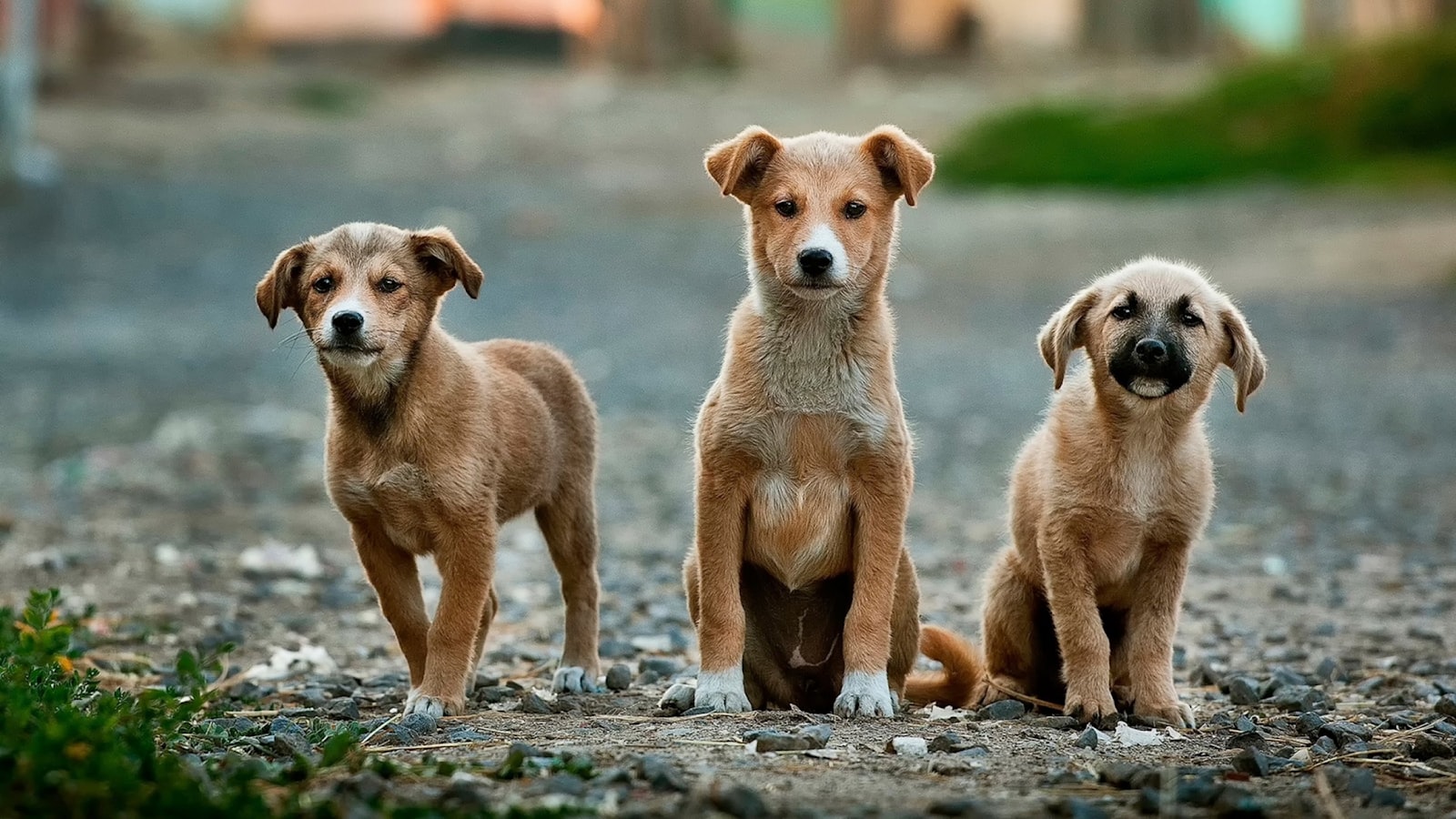
Socializing a dog is often misunderstood as making it play with every dog and greet every stranger. What it really means is helping your dog feel calm and safe around the ordinary variety of life: new people, other animals, traffic, umbrellas, vacuum cleaners, the whole busy world. A well-socialized dog isn't the friendliest one in the park; it's the one that takes the world in stride.
That confidence is one of the kindest gifts you can give a dog, because a dog that finds the world manageable is a relaxed, happy companion. A dog that finds it frightening lives on edge. The work is gentle, it's never really finished, and it pays off in a calmer life for both of you.
What socializing really means#
Good socialization is about positive, unhurried exposure, not sheer quantity of contact. The aim is for your dog to notice something new and learn, through calm repetition, that it's nothing to worry about. That often means watching from a comfortable distance rather than diving into the middle of things, and it certainly doesn't mean overwhelming your dog to "get it used to" something.
Reading your dog is central to doing this well, so it helps to know the small signals that mean your dog is comfortable versus uneasy. A loose, wiggly body and soft face say one thing; a tucked tail, pinned ears, or a dog trying to leave say another. Learning to spot the difference is covered in how to understand your dog's body language, and it's the compass for everything that follows.
Socialization done right leaves your dog thinking "that was fine." Done wrong, by pushing too hard, it can teach the opposite lesson and make a fear stick.
There's a well-known window in puppyhood when young dogs soak up new experiences most readily, and it's worth making the most of it with gentle, varied outings. But that window is a head start, not a deadline. Dogs keep learning throughout their lives, and a thoughtful approach helps at any age.
Go at your dog's pace#
The single most important rule is to let your dog choose how close to get and never force it toward something that scares it. Dragging a frightened dog up to the thing it fears doesn't build courage; it confirms that the thing is dangerous and that you won't listen when it's scared. Confidence grows from choice, from a dog being allowed to approach in its own time and retreat when it needs to.
Start easy and build slowly. If your dog is wary of traffic, watch quiet streets from a distance before working up to busier ones. If it's unsure about other dogs, let it observe calm, friendly dogs from far enough away that it stays relaxed, rather than plunging into a crowded park. A few principles keep exposure positive:
- Keep the first encounters short and end them on a good note
- Watch for early signs of stress and add distance before your dog panics
- Let your dog approach new things rather than pushing it closer
- Never punish fear, since it only adds a bad feeling to a scary moment
It helps to think in terms of quality over quantity of exposures. Ten calm, pleasant meetings with the world teach your dog more than a hundred chaotic ones, and a single frightening experience can leave a mark that takes ages to smooth over. There's no prize for rushing, and plenty to lose. Keep a mental note of what your dog already handles well and what still rattles it, so you can spend your effort where it actually counts.
Progress is measured in your dog's comfort, not in how many boxes you tick. One calm, positive experience with a new thing is worth more than a dozen overwhelming ones. When in doubt, make it easier.
Pair the new with good things#
The fastest way to teach your dog that the world is safe is to pair new experiences with things it loves, especially food. When something novel appears and treats rain down, your dog starts to feel good in its presence, because the two get linked in your dog's mind. Over time the new thing itself becomes a signal that something pleasant is about to happen.
Carry tasty treats whenever you're introducing your dog to fresh sights and sounds. See a person in a big hat, hear a motorbike, spot a friendly dog across the road? Feed generously while it's happening, then stop when the trigger passes. You're not bribing your dog to be brave; you're changing how it feels, which is far more durable. This is the same reward-based thinking that runs through how to train a puppy the basics, applied to emotions rather than commands.
Bring variety into the good experiences too. Different people, of different ages, sizes, and appearances, all counting as pleasant company teaches your dog that humans in general are safe rather than just the handful it already knows. The same goes for surfaces underfoot, everyday sounds, and new places, each one paired with something your dog enjoys so the world as a whole starts to feel friendly.
Keep sessions upbeat and short, and quit while your dog is still enjoying itself. A dog that leaves each outing feeling good comes to the next one more willing, and confidence compounds. Push past that point into overwhelm and you can undo a lot of patient work in a single bad moment.
Socializing an adult or rescue dog#
If you've adopted an older dog, or missed the puppy window, don't lose heart. Adult dogs can absolutely become more confident, and rescue dogs in particular often make touching progress once they feel safe. The process is simply slower and asks for more patience, since you may be gently reshaping fears that have had time to settle in.
Work well within your dog's comfort zone and raise the difficulty in small steps. An adult dog that's nervous of strangers might begin by simply being in the same room while a calm visitor ignores it and drops the occasional treat, long before any direct interaction is on the table. Let trust build first; the rest follows from there. Rushing a fearful adult dog tends to backfire and can even lead to a snap or bite born of pure fear, so respect the pace your dog shows you.
For a dog with deep fear, anxiety, or any history of aggression, bring in professional help rather than going it alone. A qualified, reward-based trainer or a veterinary behaviourist can build a safe plan tailored to your dog, and your veterinarian can point you toward reputable help and rule out any pain or medical issue feeding the behaviour. There's no shame in asking; it's often the kindest, fastest route to a calmer dog. Whatever your dog's age or history, steady, gentle exposure paired with good things is what turns a wary dog into one that meets the world with an easy tail.