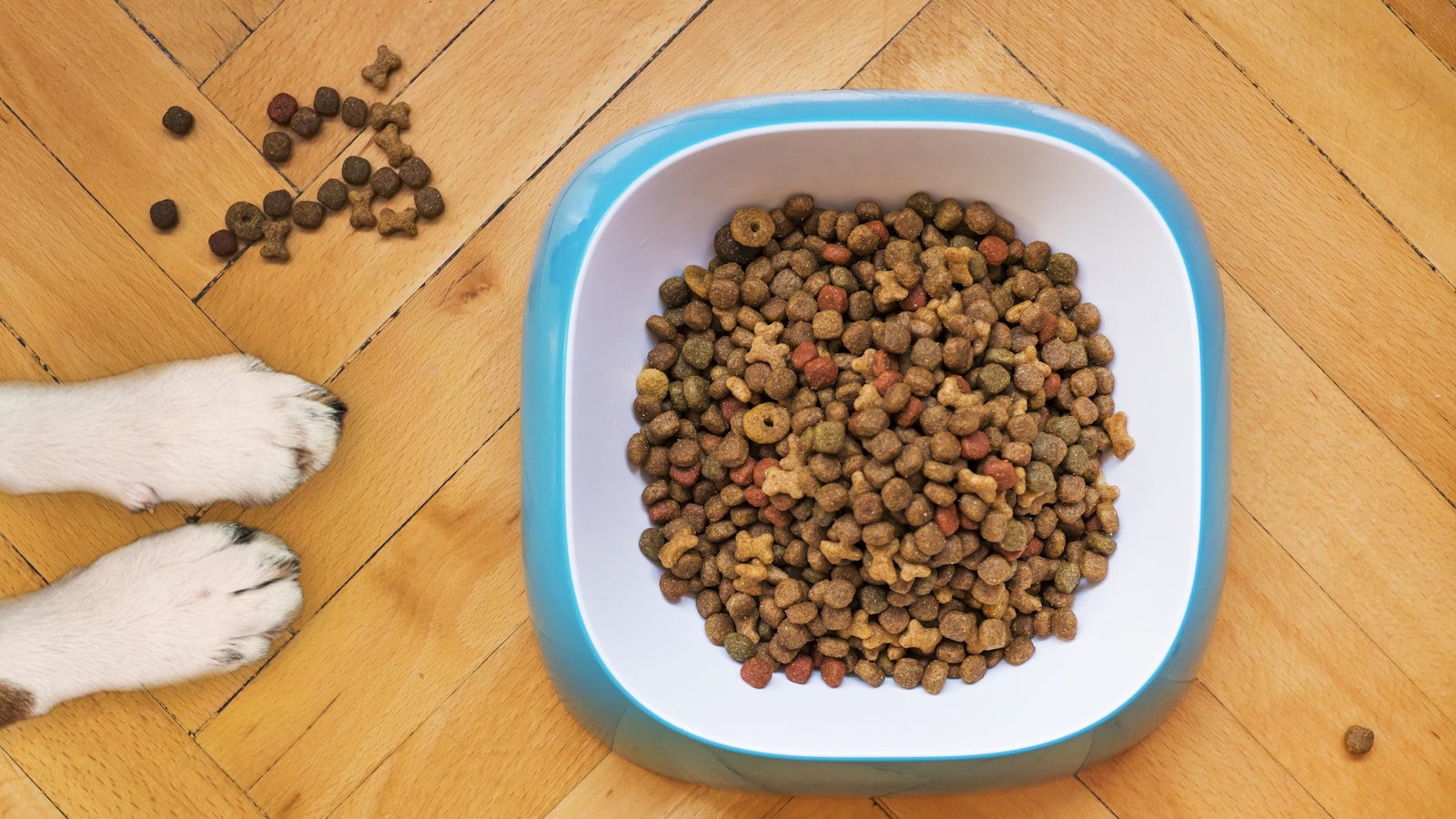
Feeding your pet well is one of the kindest everyday things you can do for them, and somehow it's also one of the most confusing. Walk down any pet-store aisle and you meet a wall of bags, each promising a shinier coat, a longer life, and the approval of the fussiest eater alive. It's easy to feel that one wrong pick will let your animal down.
It doesn't have to be a guessing game. A handful of clear ideas — matching food to your pet's stage of life, learning what the label actually tells you, and changing brands slowly — will serve you far better than any slogan printed on the front. Here's how to think it through without the overwhelm.
Start with life stage#
Animals need different things at different points in their lives, and life stage is the first filter to apply. Puppies and kittens are building bone, muscle, and brain at a furious pace, so they need food formulated for growth, with more calories and specific nutrient balances than an adult diet provides. Large-breed puppies have their own formulas, because growing too fast can strain developing joints.
Adult pets need food that maintains them rather than fuels rapid growth, and senior animals often do better on diets adjusted for slower metabolisms and aging joints. Pregnant and nursing mothers have higher demands again. You don't need to memorise the science; you just need to buy food labelled for the stage your pet is actually in, and to move them on as they age.
Birds, reptiles, and small mammals complicate this further, because a rabbit, a parrot, and a hamster share almost nothing at the bowl. If you're still deciding what animal suits your home, our guide on how to choose the right small pet walks through how much their care — feeding included — really varies.
Learn to read the label#
The front of the bag is advertising. The real information lives on the back and sides, and once you know where to look it stops being intimidating.
The single most useful line is the nutritional adequacy statement, usually phrased as "complete and balanced for" a particular life stage. That tells you the food is designed to be a full diet on its own, not a topper or a treat. After that, the ingredient list is ordered by weight before cooking, the guaranteed analysis shows minimum protein and fat alongside maximum fibre and moisture, and the feeding guide offers a starting point for portions.
A few things worth checking as you scan a label:
- A clear "complete and balanced" statement for your pet's life stage
- A named protein — chicken, salmon, lamb — near the top of the ingredients
- Feeding guidelines you can actually follow, then adjust to your pet
- A batch code and best-before date, so you know it's fresh
Don't be thrown by words like "premium," "gourmet," or "natural." Several of those terms have no strict legal meaning and mostly sell feelings. "By-products" aren't automatically bad, either — organ meats are nutritious and normal in a carnivore's diet. The label as a whole tells a truer story than any single scary or soothing word printed on it.
Match the food to your pet, not the marketing#
Two dogs of the same age and breed can still thrive on different foods. Activity level, sensitivities, dental health, and plain preference all play a part. A working farm dog burns through calories a lapdog never will, and a cat with a delicate stomach may need something simpler than the fanciest bag in the shop.
The best food for your pet is the one that keeps them at a healthy weight, gives them a glossy coat and steady energy, and produces firm, regular stools — not the one with the prettiest packaging or the loudest claims.
Plenty of widely sold complete diets — ranges like Purina Pro Plan, Royal Canin, and Hill's Science Diet, alongside many solid supermarket and independent brands — keep an ordinary healthy pet in fine shape. Fashionable choices such as grain-free or raw feeding come with genuine debate and, in some cases, real risk, so treat them as decisions to make with professional input rather than on the strength of a trend.
Wet, dry, or a mix?#
One more choice trips people up: the form the food comes in. Dry kibble is convenient, keeps well once opened, and gives a pet something to crunch. Wet food carries far more moisture, which suits animals who don't drink much — cats in particular are famously poor drinkers — and its stronger smell and softer texture often tempt fussy eaters and older pets with tender mouths. Neither is automatically superior.
Plenty of owners land on a mix, leaning on dry for convenience and adding wet for moisture and appeal, and that's perfectly sensible as long as the combined amount matches your pet's daily needs rather than quietly doubling them. Whatever form you choose, store it properly: seal dry food in its original bag or an airtight container, refrigerate opened wet food and use it up promptly, and wash bowls regularly so the food you chose so carefully stays fresh and appealing.
How to switch foods without an upset stomach#
When you do change food, go slowly. A sudden swap is one of the most common causes of a queasy pet, and it's completely avoidable. Over roughly seven to ten days, blend the new food into the old in shifting proportions: mostly old at first, then half and half, then mostly new, until you're fully across.
Watch how your pet responds along the way. Loose stools, a suddenly fussy appetite, or an itchy, unsettled animal are signals to slow the transition down rather than push through it. Some sensitive pets need a full two weeks. There's no prize for rushing, and a gentle changeover spares everyone the mess.
When to bring in your vet#
General guidance like this helps you shop with more confidence, but it can't examine your animal. Food becomes a medical matter the moment weight problems, allergies, chronic illness, or a prescription diet enter the picture, and that's the point to hand over to a professional who knows your pet's history.
A veterinarian can recommend a therapeutic diet, help you read a body-condition score honestly, and rule out problems that no bag of food will fix. If your pet's weight is drifting in either direction, our guide on how to keep your pet at a healthy weight makes a good next read — and if something about their eating or energy feels genuinely off, don't wait it out; call your vet.
Choosing food well isn't about finding one perfect, magical bag. It's about matching the diet to the animal in front of you, reading past the marketing, changing things gently, and staying curious about how your pet actually does on what you feed them. Get those habits right and the aisle stops being a wall of worry and turns back into what it should be: a simple, caring part of looking after someone you love.