Small pets get chosen quickly and regretted slowly. They're often bought on impulse, on the assumption that a little animal means a little responsibility, and that assumption is where a lot of the trouble starts. A hamster, a rabbit, and a goldfish share a shelf at the pet shop but ask for completely different things from you.
Choosing well isn't about finding the easiest pet. It's about finding the one whose needs line up with your life, so the match works for years rather than months. A bit of honest thinking before you buy saves an animal from being rehomed and saves you from taking on more than you bargained for. Here's how to weigh it up.
Start with the commitment, not the cuteness#
The first question isn't which animal you like the look of. It's how long you're prepared to care for one, and how much of daily life you can give it. Lifespan varies enormously among small pets, and it catches people out constantly.
Some small pets live only a couple of years, while others are a much longer commitment. Rabbits and some parrots can live well over a decade, guinea pigs several years, and small rodents a good deal less. None of that makes any of them a lesser choice, but it does mean a parrot is closer to a lifelong companion than a passing phase, and that's a very different decision from a shorter-lived rodent.
Ask yourself where you'll be in five, ten, or more years, and whether this animal still fits that picture. A pet isn't just for the version of your life you're living this month.
Alongside lifespan, think about your daily time. Some animals are content with a solid routine of feeding and cleaning, while others need active interaction and hours of your attention to stay well. Being realistic here is the single kindest thing you can do before choosing.
Be honest about space and time#
Nearly every small pet is sold in housing that's too small for it, which quietly teaches new owners to underestimate how much room these animals need. The cage on the shelf is rarely the enclosure the animal should actually live in.
Before you fall for a species, picture where its proper home will go. A rabbit or a pair of guinea pigs needs a surprising amount of floor space to be happy, more than a corner cage can offer. A decent aquarium takes a sturdy surface and a permanent spot. Even a hamster deserves far more room than the tiny starter cages suggest. If you can't give the space the animal genuinely needs, that's useful information, and it points you toward a different pet rather than a compromised setup.
Time works the same way. Map out honestly what your week looks like, then match it to the animal. A social species left alone all day is a recipe for a lonely, stressed pet, while a more independent one may suit a busy household better.
There are quieter practicalities worth weighing too, the sort that don't show up in a shop but shape daily life at home. Some small pets are active and noisy at night, which matters if the cage will share a bedroom. Others need their enclosure cleaned often to keep odour down, and a few can trigger allergies in sensitive households. None of these are dealbreakers on their own, but thinking them through in advance beats discovering them a fortnight after the animal moves in.
Care level: some are harder than they look#
There's a persistent myth that small equals simple. In reality, the amount of skill and effort varies widely, and a few of the most popular small pets are among the more demanding to keep well.
Fish are a good example. An aquarium seems like the definition of low-maintenance, yet it involves water chemistry and a weeks-long setup before any fish should arrive, as our guide on starting a freshwater aquarium lays out. Birds are intensely social and need daily interaction and a varied diet. Rabbits and guinea pigs need companions of their own kind and specific diets. By contrast, some rodents are more forgiving for a first-time keeper, provided their basic needs are met.
Roughly speaking, here's how the effort tends to stack up:
- Generally more beginner-friendly: hamsters and gerbils, with a good cage and routine
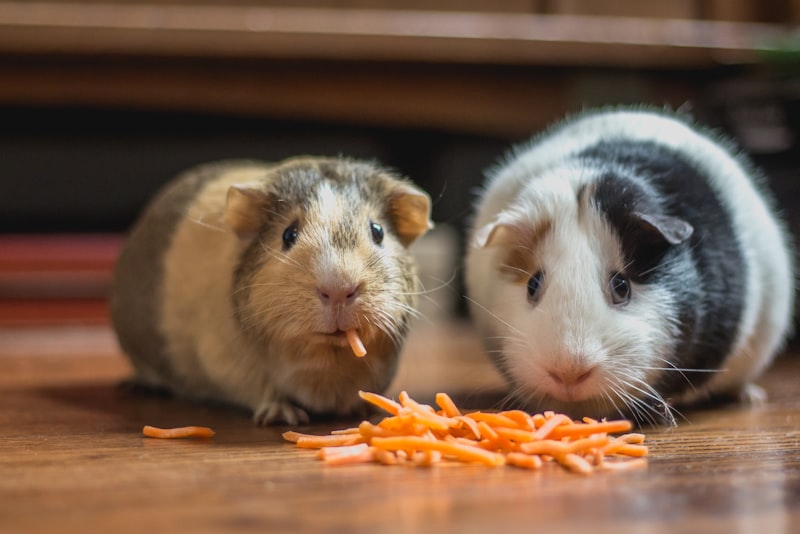
- Moderate and rewarding: guinea pigs, which need a friend and daily greens
- More demanding than expected: rabbits, birds, and aquariums, which reward research and commitment
None of this rules anything out. It just means matching the care level to your experience and how much you're willing to learn, rather than being surprised later.
Choosing a small pet with children#
Small pets are often bought for children, and they can be wonderful for teaching gentleness and responsibility. But not every small animal suits a young family, and the mismatch usually comes down to handling.
Some species are naturally more tolerant of being held, while others are fast, easily startled, or most active at night when children are asleep. Guinea pigs, for instance, are often a gentler fit for families than a nocturnal hamster that wants to sleep all day and run all night. Whatever you choose, adults need to supervise handling and stay responsible for the animal's care overall; a small pet should never rest entirely on a child's shoulders. Teaching calm, low, supported handling from the start protects both the child and the animal.
It's also worth involving children in the choosing itself, so the whole family understands what the animal will need before it arrives, not after.
Weighing up the common choices#
Once you've thought through commitment, space, care level, and whether children are involved, the field usually narrows on its own. If you want an interactive, sociable pet and can give the space and time, a bonded pair of guinea pigs is a lovely choice; our guide on caring for guinea pigs shows what that involves. If you're drawn to a longer-lived, characterful companion and can commit for the long haul, a rabbit or a bird may suit. If a calmer, self-contained pet appeals and you'll enjoy the setup, an aquarium can be genuinely soothing.
Whichever way you lean, do your reading on the specific animal before you commit, and factor in the practical realities: the cost of proper housing, who cares for the pet during holidays, and whether there's an exotics vet nearby, since many small pets need a specialist rather than a general clinic. For any health questions once you've chosen, that exotics vet is the right person to ask.
Take your time with the decision. The best small pet isn't the cutest one in the shop or the cheapest on the shelf; it's the one whose needs fit the life you can actually offer. Choose on that basis and you set yourself up for years of good company instead of a short-lived mismatch.