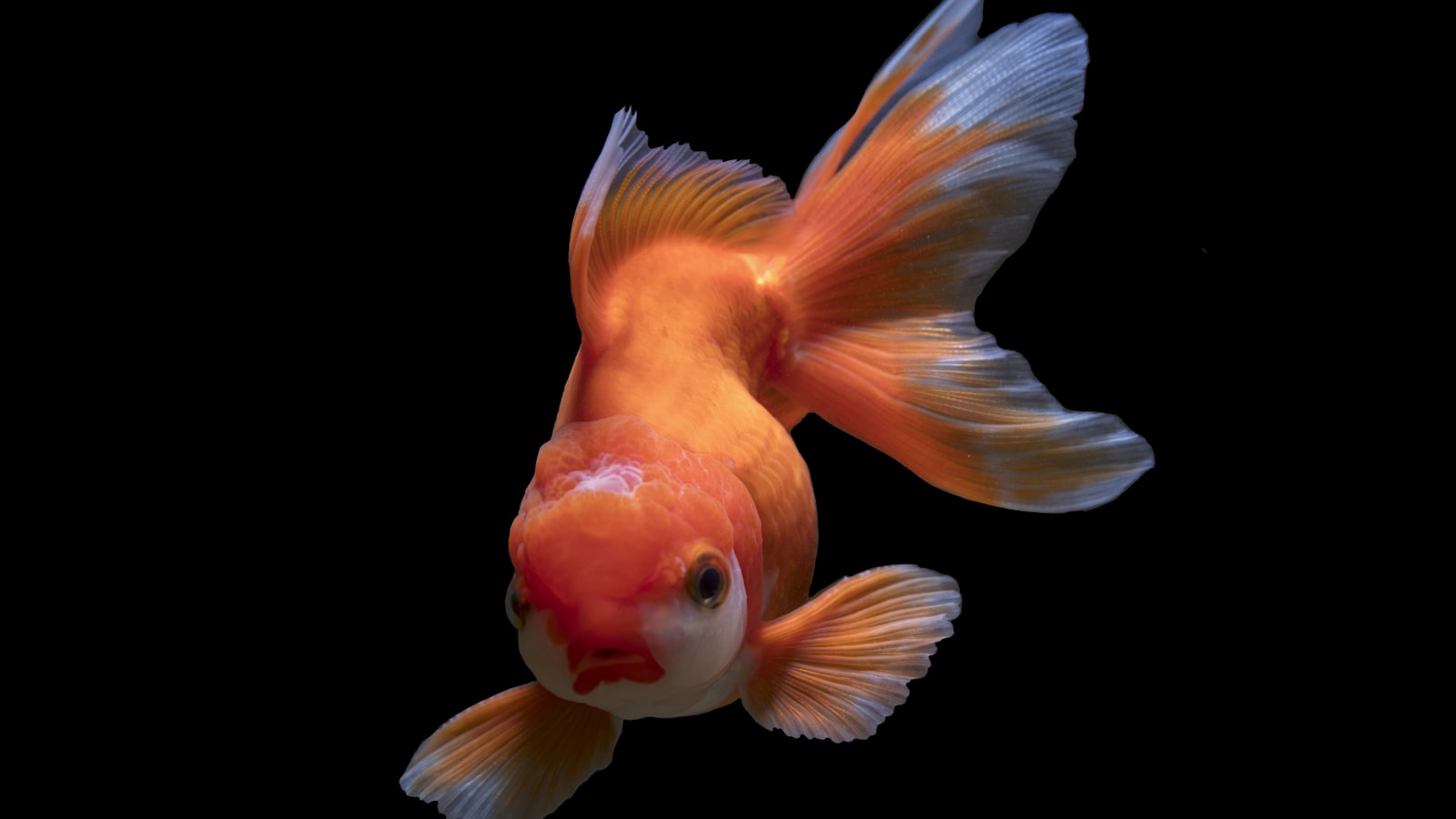
An aquarium looks like one of the simplest pets going. Fill a tank, add water, drop in a fish. That picture is exactly why so many first tanks fail within weeks, with cloudy water and lost fish, because the real work happens invisibly, in the water chemistry, before a single fish should arrive.
The single most useful thing I can tell a beginner is that you are not really keeping fish at first. You are growing water. Once you understand that, the rest of fishkeeping becomes far less mysterious and a great deal more successful. Here is how to start a freshwater tank the way that actually works.
Choose a bigger tank than feels necessary#
New aquarists almost always start too small, reaching for a tiny desktop tank or a bowl because it seems easier and cheaper. It's the opposite. A small volume of water swings wildly in temperature and chemistry, and those swings are what harm fish.
A larger tank is more forgiving because problems dilute. If something goes wrong in a big body of water, you have time to notice and fix it; in a tiny one, the same problem can turn fatal overnight. For most beginners a tank in the region of a couple of hundred litres is far easier to keep stable than a small one, even though it sounds like more to manage.
Set it up on furniture that can genuinely take the weight, because water is heavy, and pick a spot out of direct sunlight to limit algae and away from radiators and draughty doors. Get the location right from the start, since a full tank is not something you'll want to move later.
Cycle the tank before any fish arrive#
This is the step almost everyone skips, and skipping it is behind most beginner heartbreak. Before fish go in, your tank needs a living population of beneficial bacteria that process fish waste. Growing that colony is called cycling, and it takes time and patience rather than any special skill.
Here's the short version of what's happening. Fish produce ammonia, which is toxic. One group of bacteria converts ammonia into nitrite, still toxic. A second group converts nitrite into nitrate, which is far less harmful and removed through water changes. Until both bacterial groups are established, there's nothing to neutralise the waste, and fish added too early are effectively swimming in poison.
Put simply: you cannot add fish to a brand-new tank and expect them to survive. You have to grow the invisible cleanup crew first, and that patience is the whole difference between a thriving tank and a failed one.
The kinder method is a fishless cycle, where you add an ammonia source to a planted, filtered tank and let the bacteria build up over several weeks, testing the water as you go. A liquid test kit lets you watch ammonia rise and fall, then nitrite rise and fall, until both read zero and nitrate appears. Only then is the tank ready. It's slow, and it's tempting to rush, but this waiting period protects every fish you'll ever add.
Filtration and stable water#
The filter is the heart of the system, and not mainly for the reason people assume. Yes, it clears visible debris, but its most important job is housing the beneficial bacteria you spent weeks cultivating. That's why you never wash filter media under hot tap water or replace it all at once, which wipes out the colony and forces the tank to cycle all over again.
Pick a filter rated for your tank size or a little above, and let it run around the clock. Alongside it, a few basics keep conditions steady:
- A heater, if your fish need tropical temperatures, set to a stable range
- A liquid water-testing kit to track ammonia, nitrite, nitrate, and pH
- A water conditioner that removes chlorine from tap water before it goes in
- A gravel siphon for cleaning the substrate and doing partial water changes
Regular partial water changes, swapping out a portion of the water on a routine, are the backbone of long-term care. They remove built-up nitrate and refresh the water without disturbing the whole system. Building that habit into a simple weekly rhythm makes it painless, much like any other daily routine for your pet that runs on autopilot once it's established.
Take it slow with the fish#
When the tank is finally cycled, the urge is to fill it up straight away. Resist it. Add fish gradually, a small group at a time, so the bacterial colony can scale up to handle the extra waste. A sudden crowd of new fish can overwhelm the system and spike ammonia again, undoing your careful start.
Research every species before you buy, not after. Check the adult size, because that cute little fish may grow considerably, and confirm which species get along, since some are peaceful and others territorial. Match fish to your water conditions rather than trying to bend the water to an unsuitable choice. Thinking honestly about the commitment and the setup a species needs is the same mindset we encourage in choosing the right small pet, and it saves a lot of trouble down the line.
Feed sparingly. Overfeeding is one of the most common mistakes, and uneaten food rots and fouls the water. A small amount your fish finish in a couple of minutes is plenty, and it's fine for fish to go a little hungry rather than to swim in leftovers.
Settling into the long game#
Once your tank is established and stocked, aquarium keeping becomes wonderfully low-drama, which is much of its charm. The daily job is a quick look and a careful feed. Weekly, you test the water and do a partial change. Now and then you'll clean the glass and trim any plants. That steady, quiet rhythm is genuinely relaxing, and a healthy planted tank becomes a living centrepiece in a room.
Keep watching your fish, because they tell you when something's off. Fish gasping at the surface, clamped fins, faded colour, or sudden hiding can all signal a water-quality problem, and your first move should be to test the water rather than to reach for a random remedy. Fish illness is easy to misread, so for a sick fish or a stubborn problem, seek out an aquatic specialist or an exotics vet who works with fish instead of guessing.
Start slow, grow your water before your fish, and let patience do the heavy lifting. Do that and you'll skip the frustration that sinks most first tanks, and end up with a stable, beautiful aquarium that can bring years of quiet enjoyment.