A dog that gets enough of the right kind of activity is easier to live with in almost every way. Movement keeps the body sound, and it burns off the restless energy that otherwise turns into chewing, digging, and pacing around the house. Exercise isn't a luxury for dogs; it's a daily need, much like food and sleep.
The trick is that "enough" looks wildly different from one dog to the next. A young working breed and an elderly lap dog live on different planets when it comes to activity. The goal isn't to hit some universal number of steps, but to learn what your particular dog needs and to meet it thoughtfully, day after day.
Know what your dog actually needs#
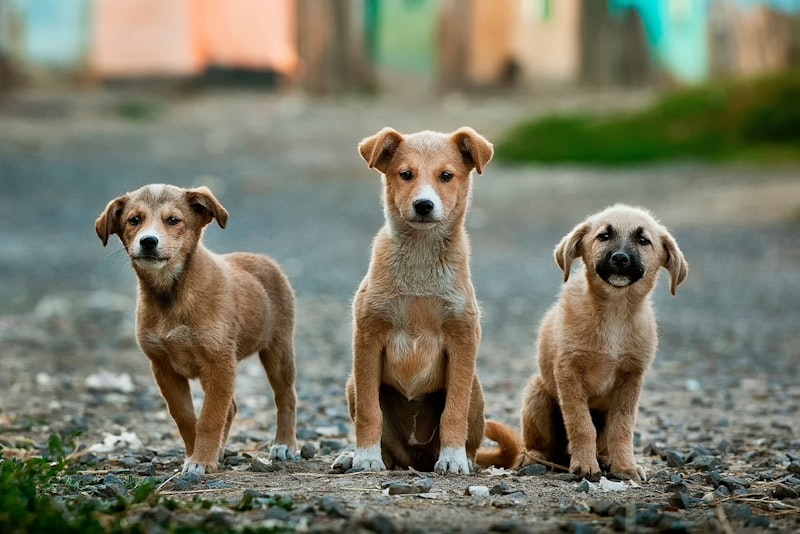
Age is the first thing to weigh. Puppies have bursts of wild energy followed by long naps, and their growing joints do better with gentle, frequent play than with forced marches or repetitive jumping. Older dogs slow down and may develop stiffness, so they often prefer shorter, gentler outings, though they still benefit hugely from moving every day. The dogs in between, in their prime, usually have the biggest appetite for activity.
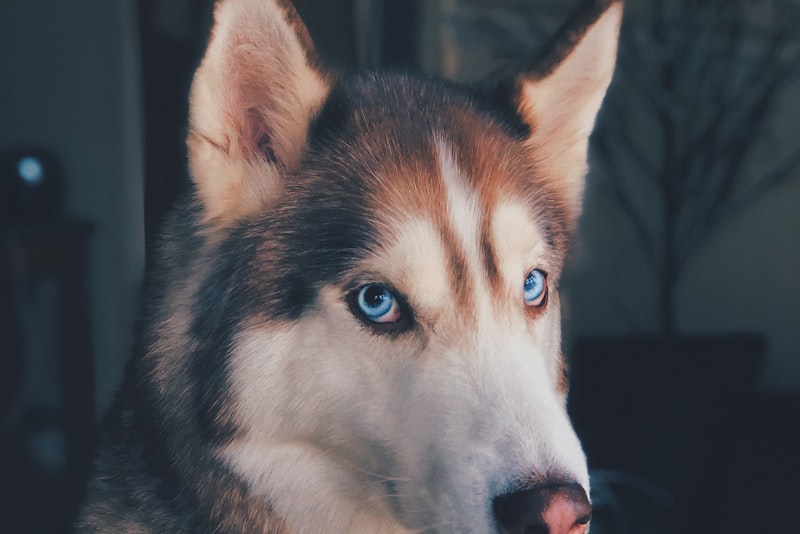
Breed and build matter enormously too. A collie, a spaniel, or a husky was bred to work for hours and will struggle to settle without real exertion and a job to think about. A bulldog or a flat-faced breed can overheat quickly and needs care in warm weather. Small dogs may get plenty from indoor games and a stroll, while a lean, leggy hound wants to stretch out and run.
There's no single right amount of exercise. The right amount is the one that leaves your dog pleasantly tired and content, not wired and not wiped out.
Health shapes the picture as well. A dog carrying extra weight, recovering from injury, or living with a chronic condition may need activity carefully adjusted, and that ties closely to keeping your pet at a healthy weight. Before you ramp up a new routine, particularly with a puppy, a senior, or a dog with any medical history, check with your veterinarian about what's safe for your individual dog.
Make the daily walk count#
The walk is the backbone of most dogs' exercise, and it does far more than move the legs. A walk is a chance to sniff, to see the world, and to gather the fresh information dogs crave. Letting your dog stop and investigate along the way isn't a waste of time; that sniffing is genuine mental work, and it's a big part of why walks leave dogs so satisfied.
Vary your routes when you can, so the walk offers new smells and sights rather than the same lap on autopilot. Adjust the pace and length to your dog and to the weather, keeping outings shorter and cooler in the heat and being mindful of hot pavement under soft paws. A brisk walk where your dog gets to be a dog beats a longer, joyless trudge every time.
Consider your dog's temperament as well as its legs. Some dogs treat a walk as a mission and want to cover ground, while others would happily spend twenty minutes reading the news at a single hedge. Neither is wrong. A confident, driven dog may need the distance to feel satisfied, whereas a more anxious dog often gets more out of a short, familiar route walked calmly than a long one full of surprises.
If walking is a battle because your dog drags you along, sort that out alongside the exercise itself, since a pleasant walk is one you'll both actually want to repeat. There's a full method for that in how to stop a dog from pulling on the leash.
Add play and mental work#
Walks are essential, but they're not the whole story. Active play adds bursts of harder effort that a steady stroll doesn't, and it deepens the bond between you. A few options to rotate through:
- Fetch in a safe, open space for dogs who love to chase
- Tug with a sturdy toy, played with clear start and stop rules
- A long-line session where your dog can run and explore more freely
- A play date with a well-matched dog friend for social running
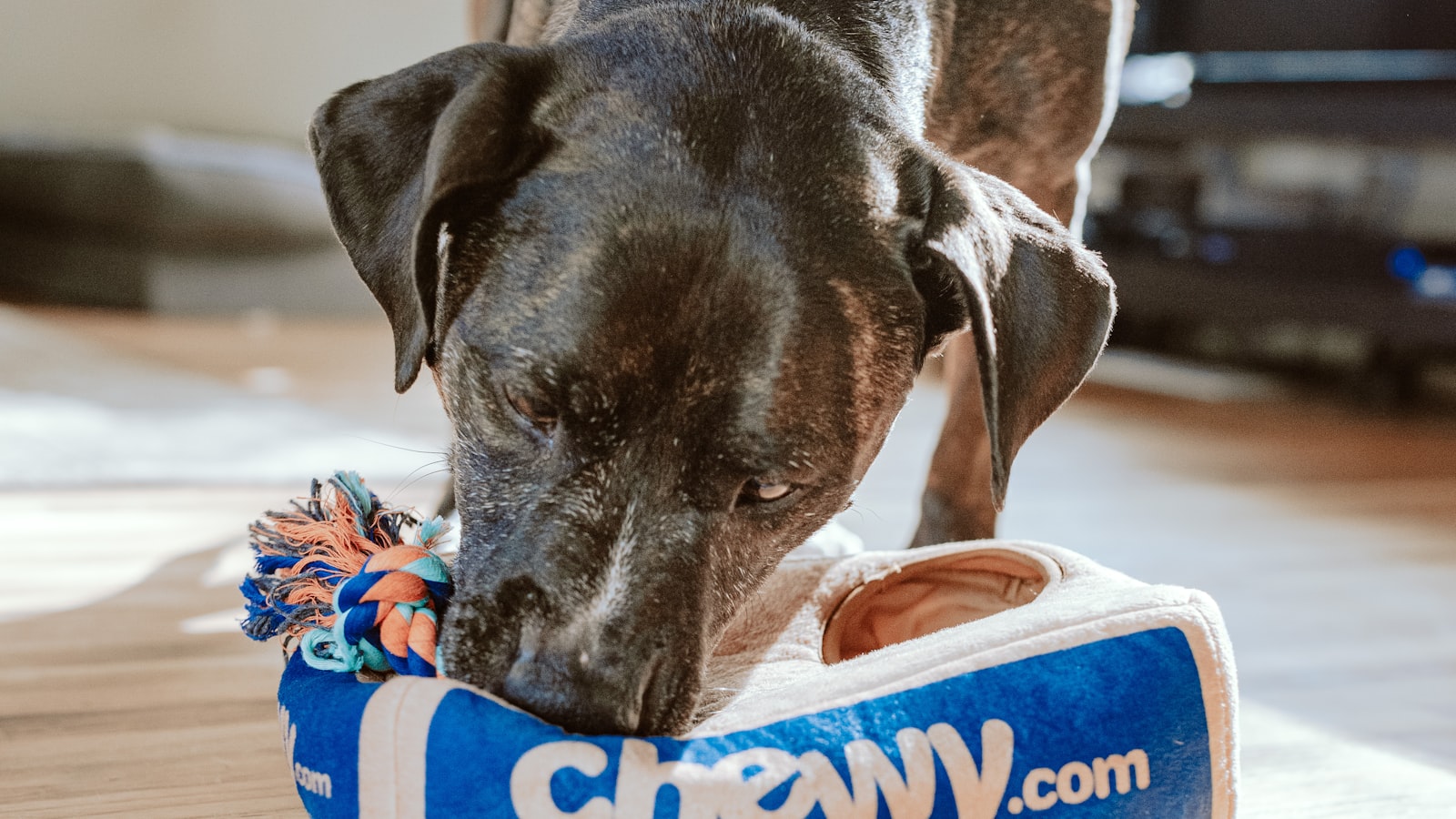
Mental work deserves as much attention as the physical kind, because thinking hard tires a dog out remarkably well. A ten-minute training session, a food puzzle, a snuffle mat scattered with kibble, or a simple hunt for treats hidden around the room can leave a dog as satisfied as a long walk. On days when weather or schedules cut the walk short, leaning on enrichment keeps your dog content indoors.
Rotating what you offer keeps enrichment fresh, since a puzzle solved a hundred times stops being much of a challenge. You don't need to buy anything elaborate, either. A cardboard box stuffed with scrunched paper and a few hidden treats gives most dogs a happy, busy few minutes, and letting your dog work for part of a meal instead of eating from a plain bowl turns dinner into something to think about.
This blend of body and brain is especially valuable for high-drive dogs, who rarely settle on physical exercise alone. Give a clever, busy dog a real problem to solve and you'll often see the fidgeting melt away. Enrichment also helps quiet the boredom behaviours that frustrate owners, including nuisance barking, which you can read about in how to stop a dog from barking too much.
Read your dog and adjust#
The best exercise plan is the one you actually respond to as it unfolds. Watch your dog during and after activity, and let what you see guide you. A dog that comes home relaxed and ready to nap got it about right. A dog that's still bouncing off the walls probably needs more, or more of the mental kind, while a dog that lags, limps, or flops down partway through is telling you to ease off.
Rain, work, and busy days will happen, and a shorter walk plus a few minutes of nose games at home is a perfectly good fallback on those days. What matters is that the activity keeps coming rather than vanishing the moment life gets hectic, since a dog's body and mind rely on the steady drip of it.
Be especially cautious in the heat. Dogs cool themselves mainly by panting, and they can overheat far faster than we do, so save hard activity for the cooler parts of the day in summer and always bring water. Heavy panting that won't settle, stumbling, or distress in warm weather is a serious sign that needs immediate shade, water, and a call to your veterinarian.
Above all, aim for something every single day rather than nothing all week and an exhausting marathon on Sunday. A dog's body and mind thrive on steady, predictable activity, not feast and famine. Fold movement into the ordinary shape of your days, match it to the dog in front of you, and you'll have a calmer, healthier, and happier companion for it.