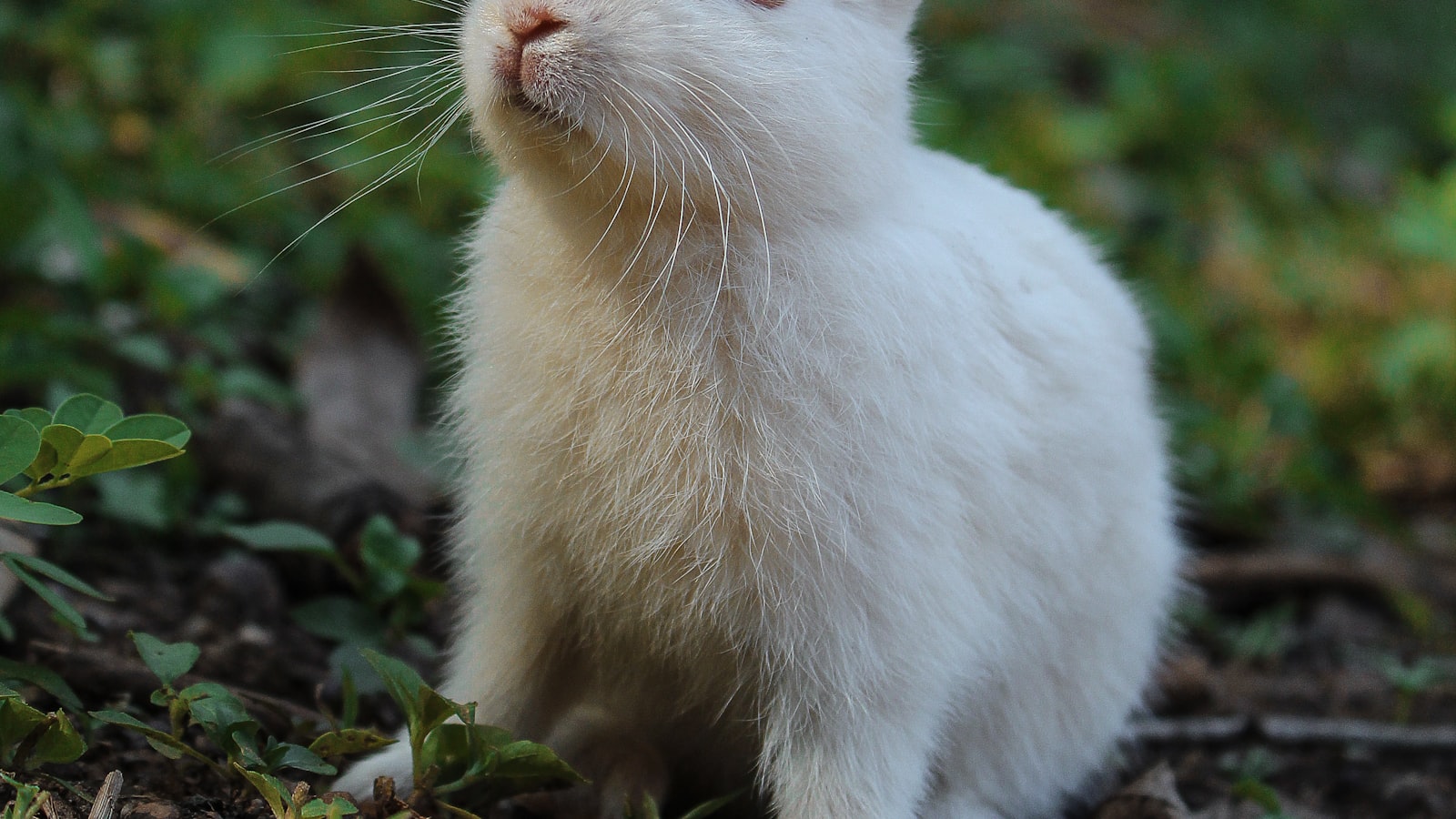
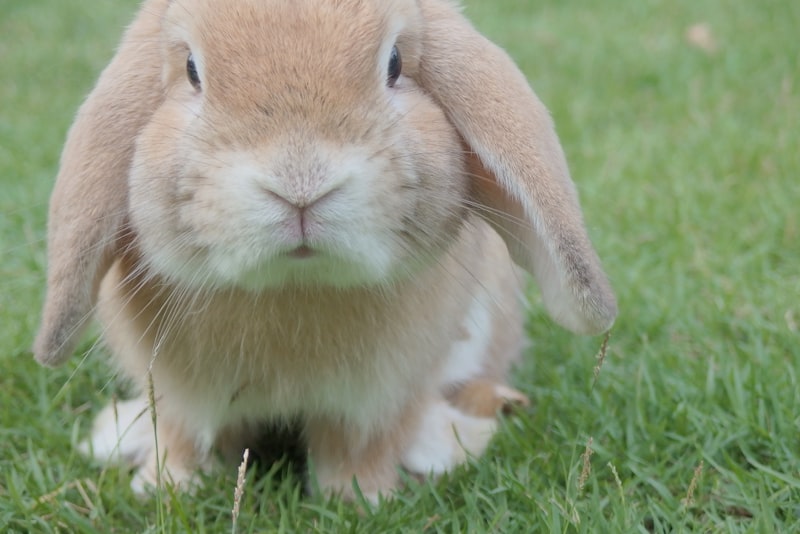
Rabbits look like the easiest pet in the world. They are quiet, they are soft, and they seem content to sit in a corner and nibble. That picture is part of why so many rabbits end up underhoused and misunderstood, because the calm exterior hides an animal that wants to run, dig, explore, and keep company.
Get the basics right and a rabbit becomes one of the most rewarding companions you can share a home with. This guide walks through the four things that matter most: space, food, company, and a clean setup that keeps daily life simple for both of you.
Give them real room to move#
The biggest myth about rabbits is that a small hutch is enough. It isn't. A rabbit that can only shuffle a step or two never gets to do the things its body is built for, and that lack of movement shows up as boredom, weight gain, and frustration.
Think in terms of a home base plus a run. The base is where food, water, litter, and a hiding spot live. The run is the open space, whether that's a puppy pen in the living room, a rabbit-proofed room, or a secure outdoor enclosure, where your rabbit can properly stretch out. A healthy rabbit will run, do little mid-air twists that owners call binkies, and flop onto its side when it feels safe. You want a setup that leaves room for all of that.
Give them at least a few hours out of the base every day, and more if you can. Rabbits are most active at dawn and dusk, so early morning and evening are the natural times to open things up and let them roam while you keep an eye out.
A good rule of thumb: your rabbit should be able to take three full hops in a row and stand up on its back legs without its ears touching the top. If it can't, the space is too small.
Because rabbits chew and dig by instinct, any free-roaming area needs a quick safety pass first. Tucking away cables and protecting skirting boards goes a long way, and the same thinking behind pet-proofing your home applies neatly to a curious rabbit at floor level.
Build the diet around hay#
If you remember one thing about feeding rabbits, make it this: hay is the main event, not the side dish. Fresh grass hay such as timothy or meadow hay should be available all day, every day, and a rabbit will happily eat a pile roughly its own body size over a day.
Hay matters for two reasons. It keeps the gut moving, which for a rabbit is a genuine health need rather than a nicety, and the constant chewing wears down teeth that never stop growing. Take hay away and you invite both digestive trouble and painful dental problems.
Around that foundation, keep the rest simple:
- Unlimited grass hay, topped up so it never runs out
- A daily handful of leafy greens like romaine, herbs, and other rabbit-safe vegetables
- A small, measured amount of plain pellets, not a heaping bowl
- Constant fresh water, in a bowl or bottle your rabbit will actually use
- Treats such as a slice of carrot or fruit only now and then, in tiny amounts
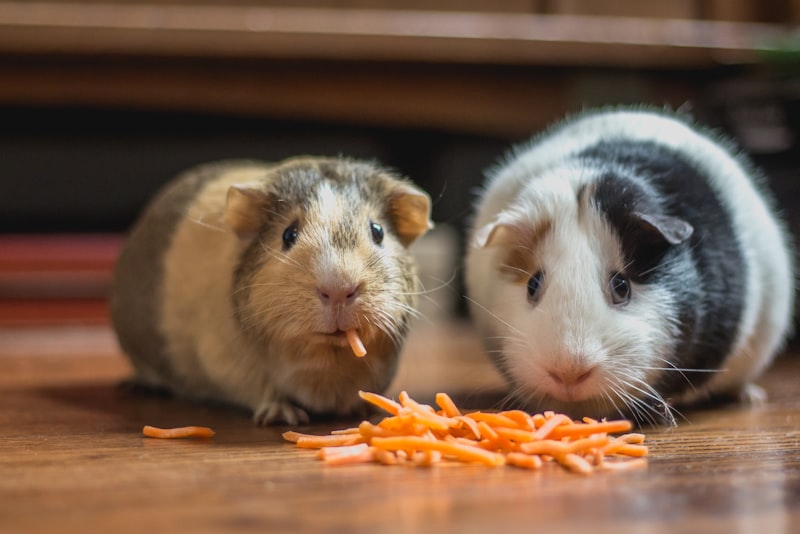
Sugary treats and carrots are the classic mix-up. The cartoon rabbit munching carrots all day set a bad example, because carrots are high in sugar and belong in the occasional-treat category, not the daily menu. If you want to go deeper on balancing any pet's meals, our guide on choosing the right food for your pet covers the same principles of reading labels and matching food to the animal.
Introduce any new green slowly, one at a time, so you can spot anything that doesn't agree with your rabbit.
They are social, so think about company#
Rabbits are not solitary animals. In the wild they live in groups, and a pet rabbit kept entirely alone often becomes withdrawn or lonely, especially during the long stretches when the house is quiet. Many rabbits do best with a bonded partner, another rabbit they have been carefully introduced to and have chosen to get along with.
Bonding takes patience and should be done gradually on neutral ground, because two rabbits meeting for the first time won't always click. Once bonded, though, the pair will groom each other, sleep in a heap, and generally look far more settled than a single rabbit does. A good rescue can often help match a companion and guide the introductions.
If a second rabbit isn't possible, your own time becomes even more important. Sit on the floor at their level, offer greens by hand, and let them come to you. Rabbits rarely enjoy being scooped up and held in the air, since being lifted feels a lot like being caught by a predator, so most of your bonding will happen down where they feel secure.
Litter training and a clean, low-stress home#
Here is some good news for anyone dreading the mess: rabbits are naturally tidy and take to a litter tray more easily than most people expect. They tend to pick one corner as their bathroom, so the trick is to work with that habit rather than against it.
Place a shallow litter tray in the corner your rabbit already favours, and line it with a paper-based litter rather than clumping cat litter or cedar and pine shavings, which aren't suitable. A clever touch is to put a handful of hay at one end of the tray or in a rack just above it, because rabbits like to munch while they go, and that pairing makes the tray the obvious place to be.
Keep the tray clean with a daily scoop and a full change every few days. A clean setup does more than keep the smell down; it lets you notice changes in droppings or appetite early, which is often the first clue that something is off.
That early-warning point is worth taking seriously. Rabbits are prey animals and instinctively hide weakness, so a rabbit that has gone quiet, stopped eating, or produced far fewer droppings than usual may already be unwell. A rabbit that hasn't eaten or passed droppings for several hours needs prompt attention. When anything seems wrong, skip the guesswork and contact a vet who treats rabbits, ideally an exotics vet, since general care advice like this can't diagnose or treat a specific animal.
Space, hay, company, and a clean corner: keep those four in balance and the rest of rabbit care tends to fall into place. Give your rabbit the room to be a rabbit, and you'll get to watch a genuinely playful, expressive little animal come out of its shell.